From the very moment I was born, my life has been a race to freedom. And I think many people, from different points of view and because of various reasons, may feel the same. But the reasons why one runs are irrelevant, what counts is the race and where it may take. Freedom is a concept very hard to be defined, since it is related to countless reasons of imprisonment, which again, can be a metaphor for countless conditions, both mental and physical. As a result, the race to freedom of the humankind may be an endless fight, something which changes its forms and colors like a chameleon, or a snake, if you prefer, that loses its skin and changes its external form, while inside it stays the same.

Freedom may mean independence, emancipation, the power and ability of making one’s own choices without impediments. Freedom of speaking, freedom of movement, freedom of having one’s own ideas. Freedom of not being obliged to give an explanation for everything one does. Freedom is countless things. And it seems, since it is also related to the power of expression, that it is a concept very much linked to creativity and art.
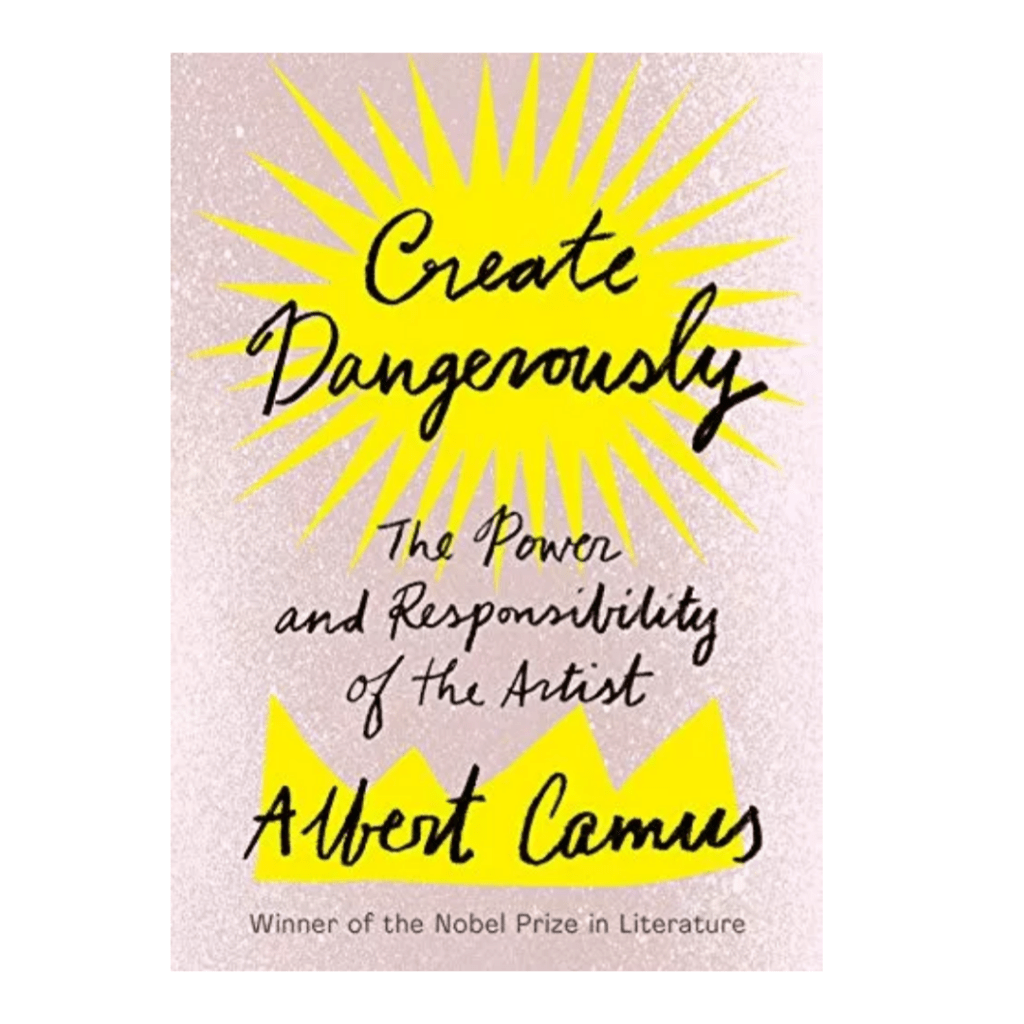
I happened to read Create Dangerously by Albert Camus yesterday, and that made me think to the concept of freedom; this book I am talking about is a very short one, which I advise you to read. Throughout the essay, the author manifests an inner flame and desire for rebellion against the vision of art by the society of consumerism. The book was published at first in the 50’, and it was presented for the first time as a speech given at Uppsala University in Sweden on December 14, 1957, under the name “The Artist in His Times;” as a consequence, it is a depiction of the artist and the concept of art linked to the world of the 1900s, even though, for many aspects, it can be food for thoughts for us reflecting on our times. The book is divided into three main chapters: in the first one it is stated the relation between art and freedom and the definition of the contemporary artistic expression as a superficial one, a kind of art without contents, a mere entertainment; in the second chapter it is explained how art became superficial and mute throughout the centuries and in the third one it is concluded that nowadays an artist should rebel and express himself freely, since it is freedom the true essence of the artistic expression.

Camus talks about art, but the concept of rebelling against every impediment which prevents us from expressing ourselves and our dreams is an advice which is worth following in every aspect of our life. We often refrain from saying or doing something because we are afraid of the consequences, of what people may think, of what the society wants us to do. We are what they want us to be. We are what it is necessary for us to be. So “the imprisonment of freedom” is an issue related also to someone’s true identity expression. Camus says that the essence of the creative activity is the artist’s self-confidence[1], and that this century has discouraged it:[2] I say that sometimes we still feel discouraged in expressing ourselves, by whatever means, and that perhaps we shouldn’t, because to say something that only someone else wants to hear has the result of silencing one’s voice, to make everyone listen to the voice of someone else.
To make art, one must feel free. To feel free, one must follow his/her own inner voice, because that inner voice is the expression of art. We cannot succeed in being someone we are not, because that someone does not exist, no matter how hard we will search for him/her.
I think that from this book, we may assume one general rule: to be an artist, to create, one must be honest with oneself. Dare to be different, dare to be yourself. Is it not the same that we should do, to be happy?
[1] Albert Camus, Create Dangerously. The Power and Responsibility of the Artist. Transl. by Sandra Smith. (New York: Vintage International, 2019), p. 8.
[2] Ibid.
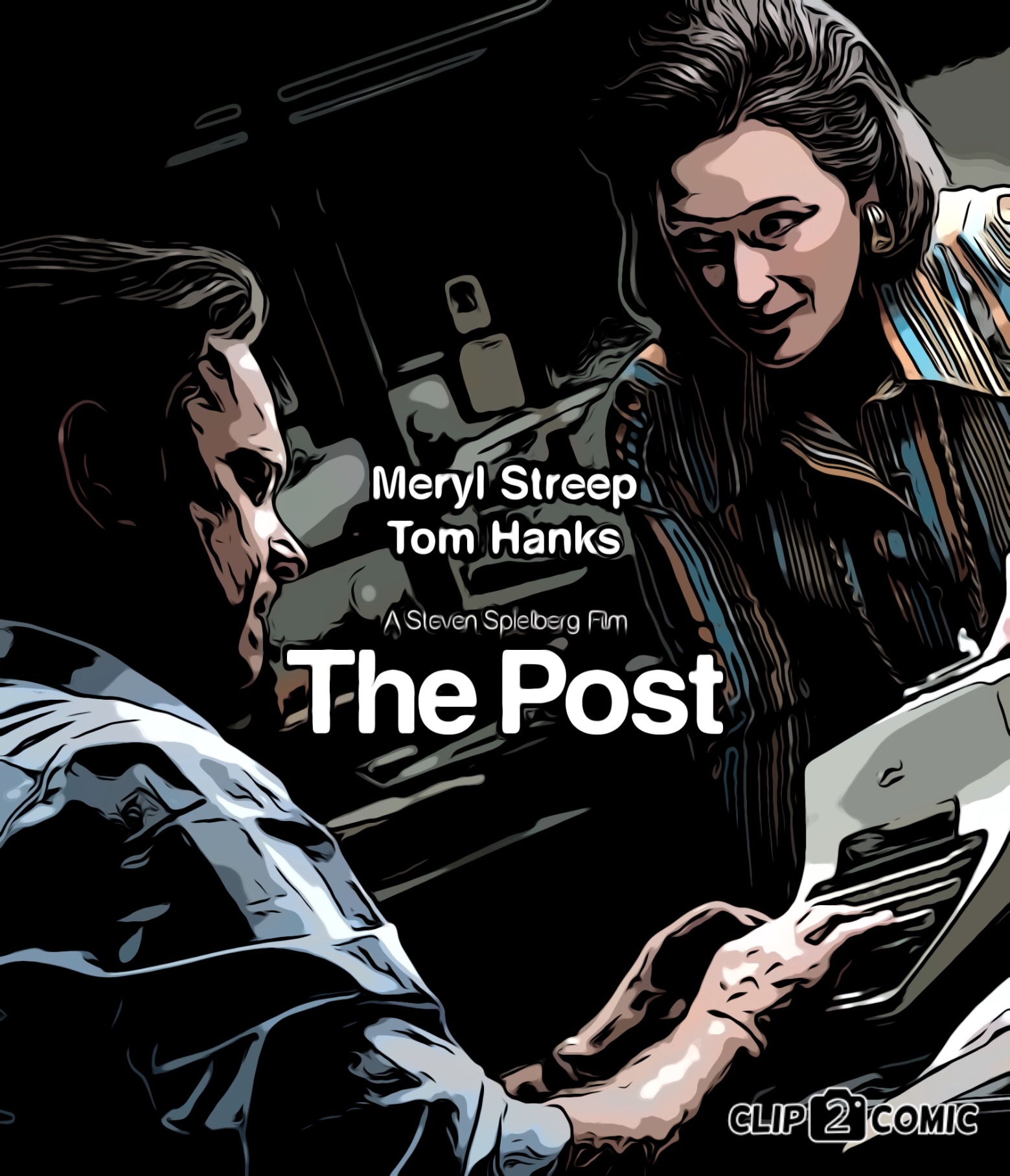 Si conquista così la prima posizione per incassi nelle sale italiane The Post di Steven Spielberg: a pochi giorni dall’uscita il film incassa 2.313.899 euro in 489 sale, con una media per sala di 4.731 euro. Senza dubbio una componente importante per raggiungere il successo sarà stata la splendida performance dei due main characters – Ben Bradlee (Tom Hanks) ed Katharine Graham (Maryl Streep) –eppure, a volte, nel successo bisogna cercare radici più profonde, motivazioni migliori che giustifico il perché bisogni classificare migliore qualcosa piuttosto che un’altra. Il New Yorker ha definito il film come “un’ode al giornalismo,” il New York Times lo ha definito come “il trionfo della democrazia sull’oscurità.” Perché? Si potrebbero avanzare due ragioni, legate alle tematiche piuttosto attuali che il film rappresenta, pur essendo ambientato negli anni ’70: la libertà di stampa, e il ruolo delle donne nella società.
