

The Great Gatsby is perhaps one of the most famous classic American novels, often said to represent U.S. society in the 1920s. Yes, of course it is. But it’s also representative of a particular (critical?) idea of being American and what it means to be American: to be “the Great One,” chosen, with a manifest destiny to follow.
But I’m not going to talk about that.
Instead, I want to talk about what else the book is about. It’s about love—and the idea of love. It’s about identity. It’s about change. It’s about looking back at the past and facing regrets. In this sense, the book is truly about humankind, because everyone, at some point in life, has felt those feelings.
Basically, here’s the plot: a man of poor origins falls in love with a woman who is far wealthier than he is. He doesn’t feel worthy of her because of their social differences. As a result, he creates a new identity for himself in order to be seen as the right man for her. But lies are never a good foundation for love, and eventually, everyone discovers he is not who he claims to be.

So my question is this: can you really be in love with someone if you don’t know who that person truly is? If you build a relationship on illusions and imagined versions of yourself, can you honestly claim to be in love with someone real?
Maybe the answer seems obvious. Maybe it isn’t. But what’s really great about this book is the irony Fitzgerald uses to talk about delusion and illusion, about dreams and broken dreams, about the past and the regrets that come with it. You can’t help but smile while reading, and it almost feels as though the narrator himself finds the whole story ridiculous as he recalls it: ridiculous that “the great Gatsby” would lose everything for a woman. And let’s be fair—it could just as easily be the other way around. It’s just as ridiculous for a woman to lose everything for a man. Crazy, right?
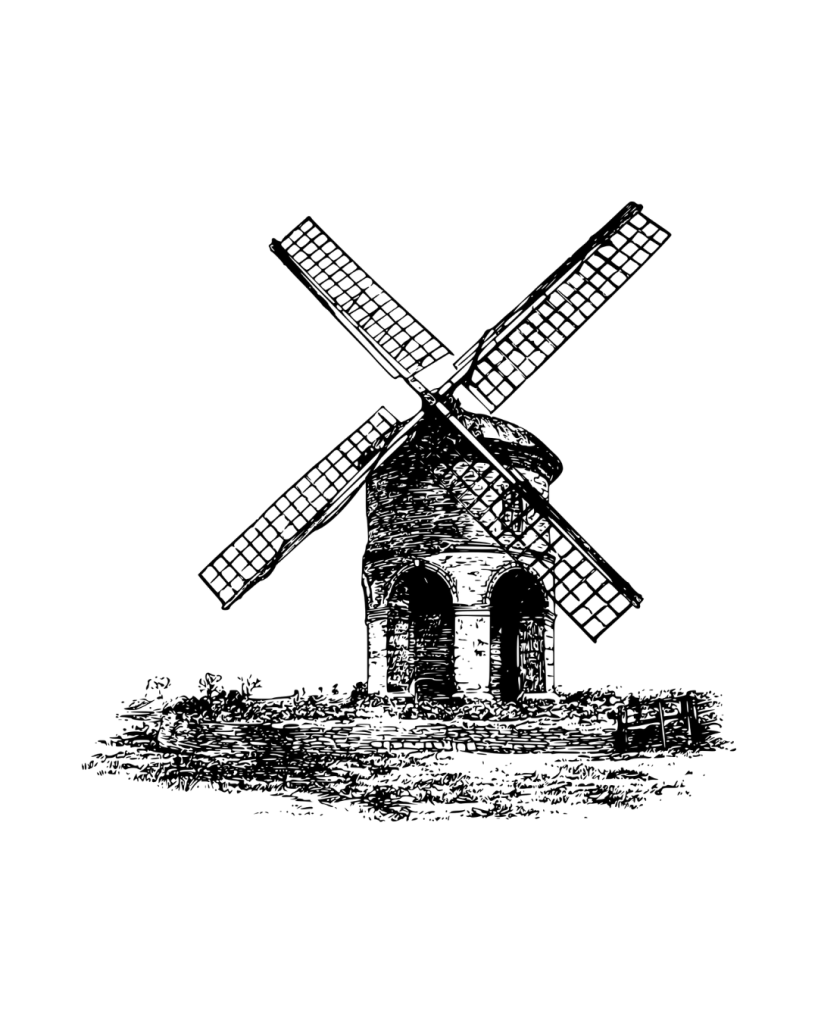
In the end, The Great Gatsby is about chasing the impossible: trying to be someone you’re not, and yearning to be loved by someone who doesn’t truly love you back. Gatsby is like Don Quixote fighting windmills. And that, I think, is the real lesson Fitzgerald leaves us with: love is a wonderful thing, but going mad for love is ridiculous. You might even have fun along the way—but it never ends well, especially for the one who loses themselves.
So don’t look back at the past with regrets. Enjoy the good memories, but don’t chase after them, just as you shouldn’t chase after someone in hopes of being loved. Love is something that happens—it’s never something you can force into existence.
Still, I truly enjoyed this battle against the windmills.

 Stories from her Journal
Rispondi