
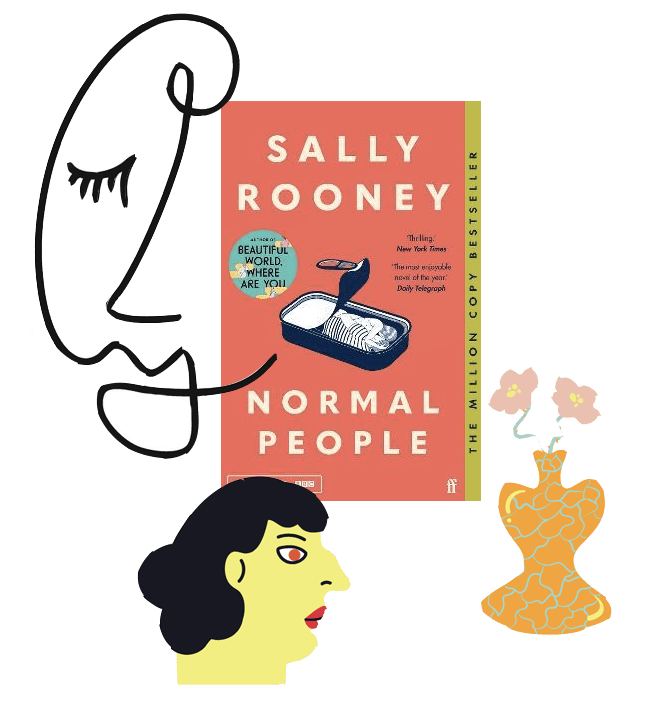
Normal People, Sally Rooney’s novel, had been staring at me for quite a long time before I finally decided to buy it. My sister had already read it and when I asked her what she thought of it she said it was “normal.”
For a certain period, the book kept showing itself on the shelves of all the bookshops I went to, silently asking me to have a look at it and give it a chance. Why I didn’t want to at the time it’s a mystery to me too. Did the adjective normal scare me?
Firstly, I decided to buy it for a friend. It’s an editorial success, I told her, it has sold almost 64,000 copies in its first four months of release. Yeah, my friend answered, she already knew.
After some time, I asked to my friend what she thought of the book, and she said it was “fantastic.” From “normal,” the first comment I obtained, to “fantastic” there seemed to be quite a difference, and to me, this diversity of opinions was a manifestation of the division of critiques that the book had obtained worldwide. So, I became “curiouser and curiouser” and finally bought it.

The book covers the story of Marianne and Connell’s relationship, who both attend the same high school and later Trinity College in Dublin. They belong to different social classes: Marianne belongs to a rich family who employs Connell’s mother as a cleaner; Connell is popular at school, while Marianne is considered weird and too proud. Unexpectedly, they start a romantic relationship, that is kept secret by Connell at school for fear that he would have been criticized by his friends. At university their social roles are inverted: Connell doesn’t seem to feel adequate to the social context he finds at Trinity, while Marianne becomes popular and seems to feel at ease. They continue their relationship for a while, but their inconstant and confused feelings for each other (not helped by a series of misunderstandings which almost resemble a comedy of error) make them decide to be just friends. Their relationship continues in a limbo of friendship and mutual unsatisfied attraction, with a background story covering important themes such as violence against women, uncertainty for the future, freedom and limitations given by poverty and limited possibilities, and last but not least the social fight to gain a position in a society that does not help you when you aren’t born with the adequate amount of money to buy you a decent future. The end is surprising, of course, I’m not going to spoil it here.
But much more than that, the real food for thought in the book is the constant anxiety under the surface that makes the protagonists strive to be “normal,” as the society they belong to would expect them to be.
Normal becomes, then, the epitome of a real problem surrounding young people in our society, where they have got to conform themselves to some precepts that define what is normal for them. But normal (as intended by social morality) is also the adjective substituting identity, personality and freedom: the anxiety to feel “normal” is what makes the characters in the book suffer. They never feel right, and they never feel enough, but on the contrary, they apologize for not being “normal” and keep searching to create “normal” relationships with others.
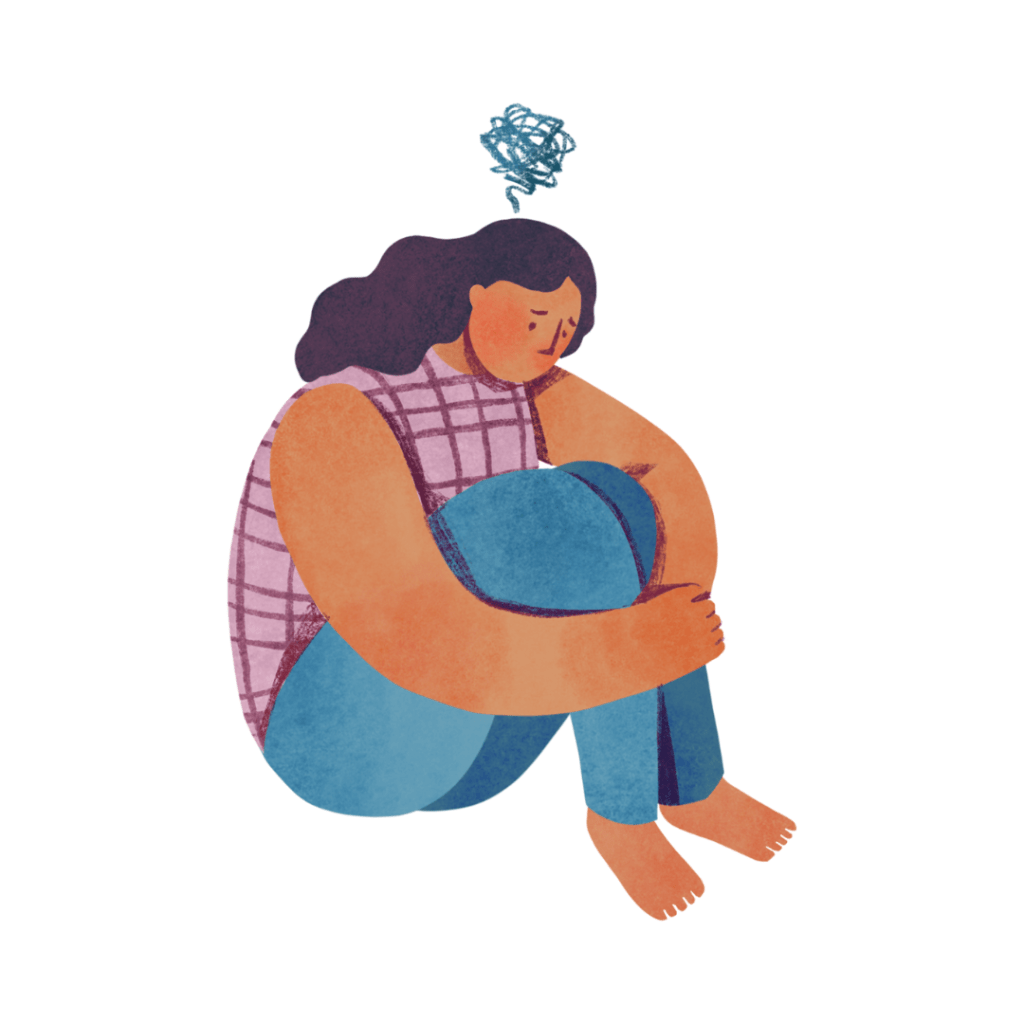
The peak of this social anxiety is represented by an old friend of Connell’s suicide: he was a kind of “bully” in high school, but suddenly it turns out that his behaviour was a form of reaction to his insecurities: in the book we read he was always insecure and afraid of the opinion of others; as a consequence, it’s probably the loneliness he found himself into after high school what makes him commit suicide (at least, that’s what one can assume from the story).
They say Rooney only describes nowadays’ society in her books or, maybe, the story of a generation. It may be true.
However, what we should think about is probably how many meanings can we give to the adjective “normal” and how much can it be dangerous to people?
At a certain point in the book Connell is asked:
“Why do you have to act so weird around her?”[1]
And then
“He frowned, still lying with his eyes shut, face turned to the ceiling. How I act with her is my normal personality, he said. Maybe I’m just a weird person.[2]“
Saussure in Course in General Linguistics defines the meaning of words as arbitrary: words can have infinite meanings. Maybe we should consider the meaning of “normal” exactly like that: a super-hero word having just as many meanings as we can think about.
My sister defined Sally Rooney’s Normal People simply as “normal.” Now I think I get what she meant.
[1] Sally Rooney, Normal People (London: Faber and Faber, 2018), 150.
[2] Ibid.

